Lucas Haley

Instruction

A quick storyboard method for short films and animations.
#Animation #Instruction

As a teacher, I’m frequently working with students to refine their story ideas for short films and animations. I’ve found there are two consistent characteristics of students at this stage:

  • They have not watched enough short films to understand the format
  • Their story ideas are feature films or miniseries

Usually for problem 1 I send them off with a list of films to watch. For problem 2, however, it takes a little more work – dreams of extended character arcs and major set pieces are hard to let go.

One technique I have used recently is to have the students work their story from the inside out. They are used to thinking of their stories as linear, start to finish. Their storyboarding often reflects this – the first few pages (pages!) are detailed and careful, but quickly peter out. The story loses focus, the scene construction gets weaker, the film just trails off into nothing. By working on the boards as a coherent whole, the students begin to understand their story as a whole.

The technique is simple and flexible: board out your story in three (3) panels. That’s it. That’s all you get. Go.

Okay, there’s a little more than that.

I use 3x3 templates from the awesome Storyboarder, printing them out in batches.
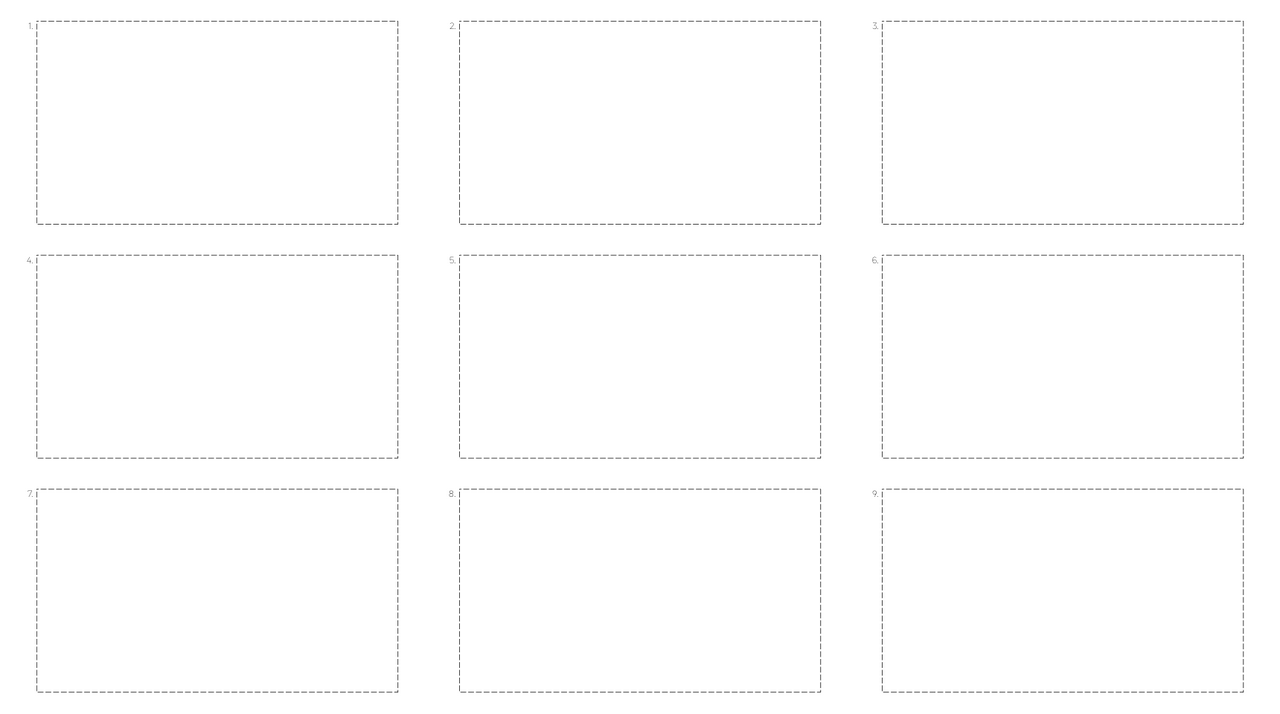
Then the students follow these steps:

  1. On the first page, they board their story in 3 panels, in 3 different ways. Each row has to be significantly different – students can play with time (i.e. which part of the story to include) and space (i.e. framing). Sometimes I get them to do more than one set of three, especially if their story is vague.

This process really forces the students to think about only the main, core beats to the story. When you’re trying to say something in <2 minutes, this is critical. If they can’t, they should save the story for when they’re directors at Pixar and find a new one to tell now.

  1. Students then review their 3-panel stories, and help each other to assess the strengths of each.
  2. Selecting one of the 3-panel boards, the students then take new 9-panel templates and transfer their 3 original panels into the new templates.

How they place those original panels will significantly change the pace of the film. I usually go with two initial patterns:
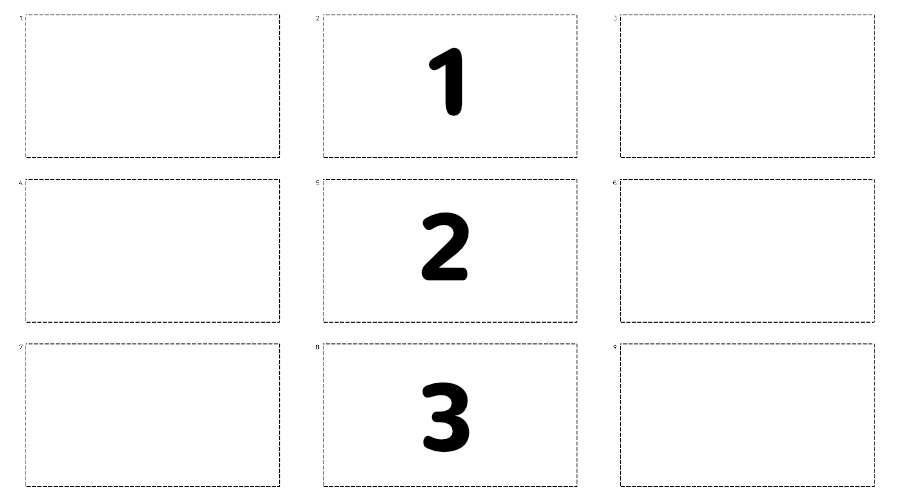
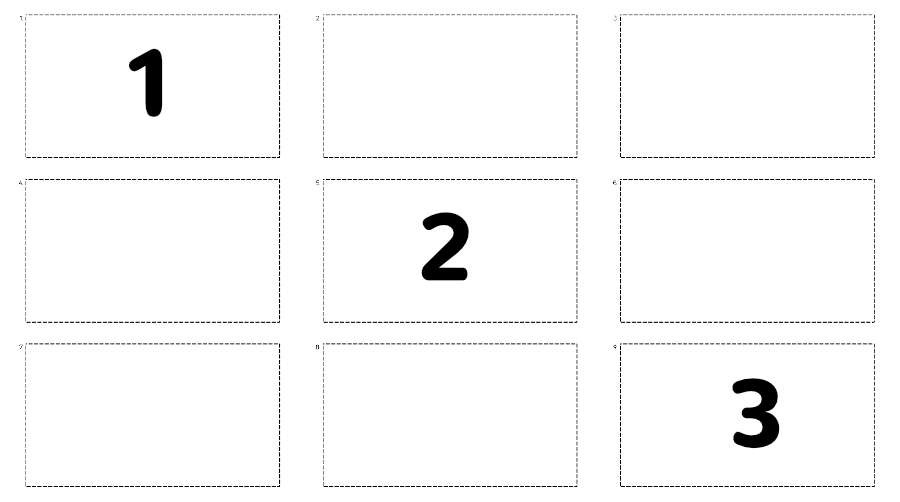
But there’s no reason you can’t challenge them to re-think their story, like so:
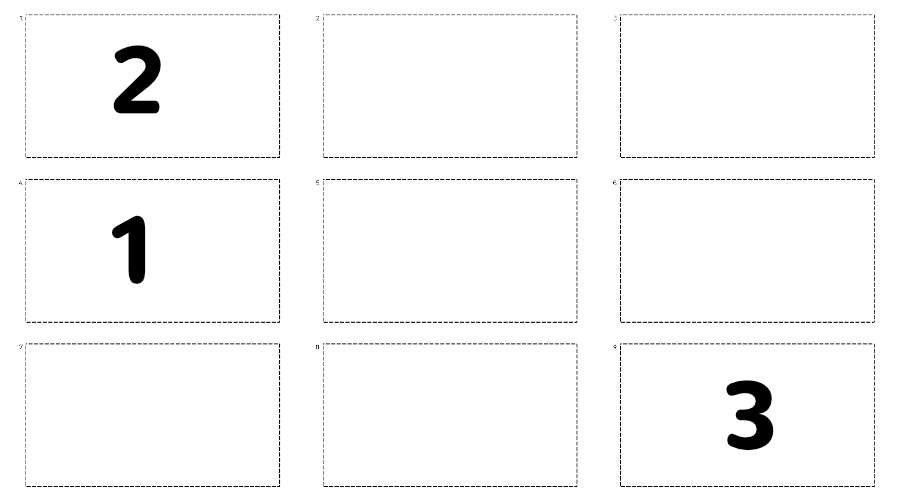
  1. They then draw the extra panels around the original ones, filling out the story.
  2. This process could be extended to larger arrays of boards, but I’ve found this is usually enough to get the students thinking about their story and the limitations of the format.

If you’d like to try it, you can use the wonderful Storyboarder software or print out this PDF:
3-9 Storyboard Template

On using a classic game as a basis for further development.
#Board Games #Instruction #Game Design

In my game development courses, I will often ask my students to take an existing game – blackjack, hopscotch, Jenga – and try to make a new game from those basic rules. It's a common exercise, and quite a good one for beginning designers, as you have a clear and well-defined game rules.

At the start of this semester I asked my student to riff off one of the oldest games ever, Rock Paper Scissors. There are quite a lot of variants, all known as “ken” games, from the Japanese word for “fist”.

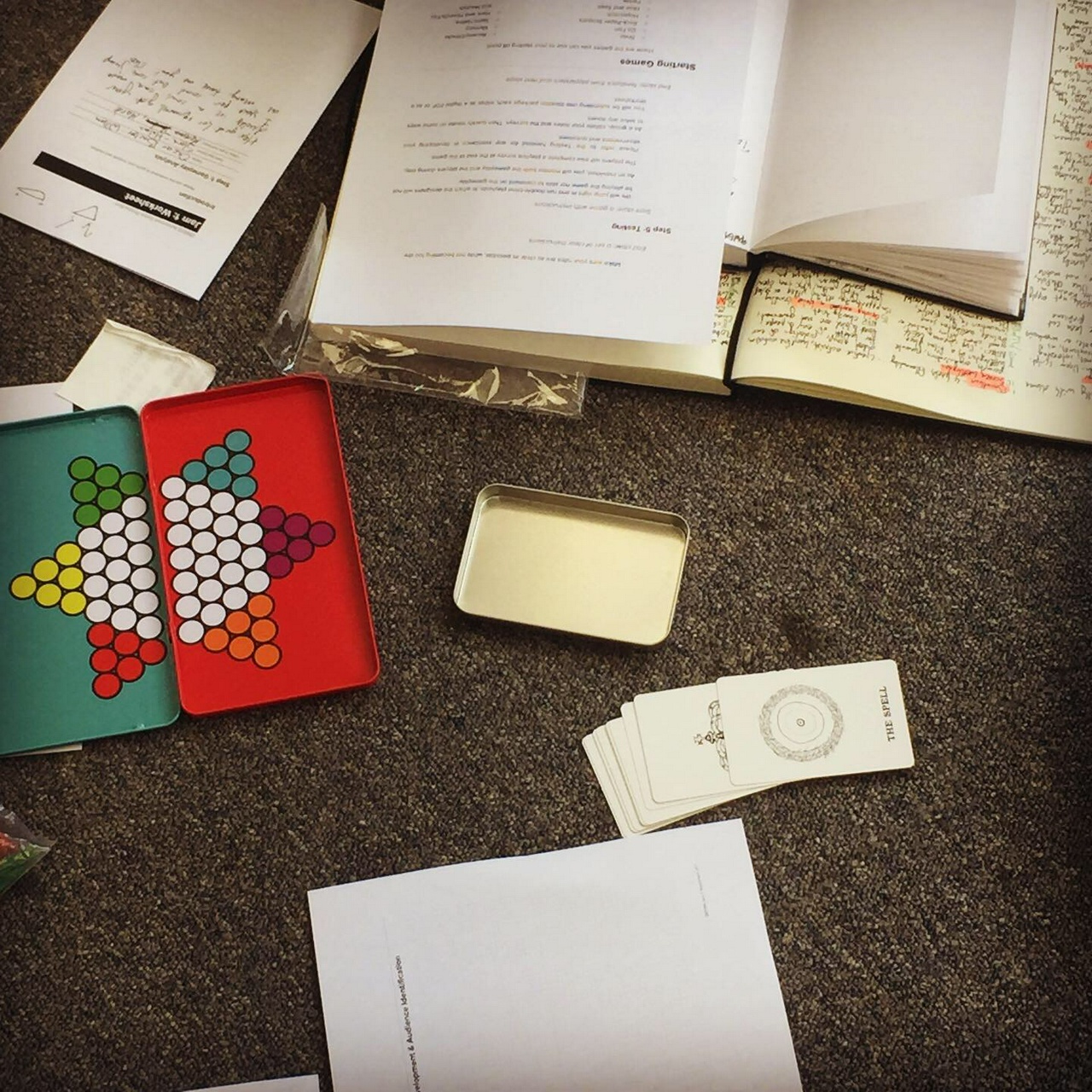
This year, students looted my supply of prototyping stuff – a vault of cards, tiles, dice, tokens, etc. that I use to throw a game together for testing.

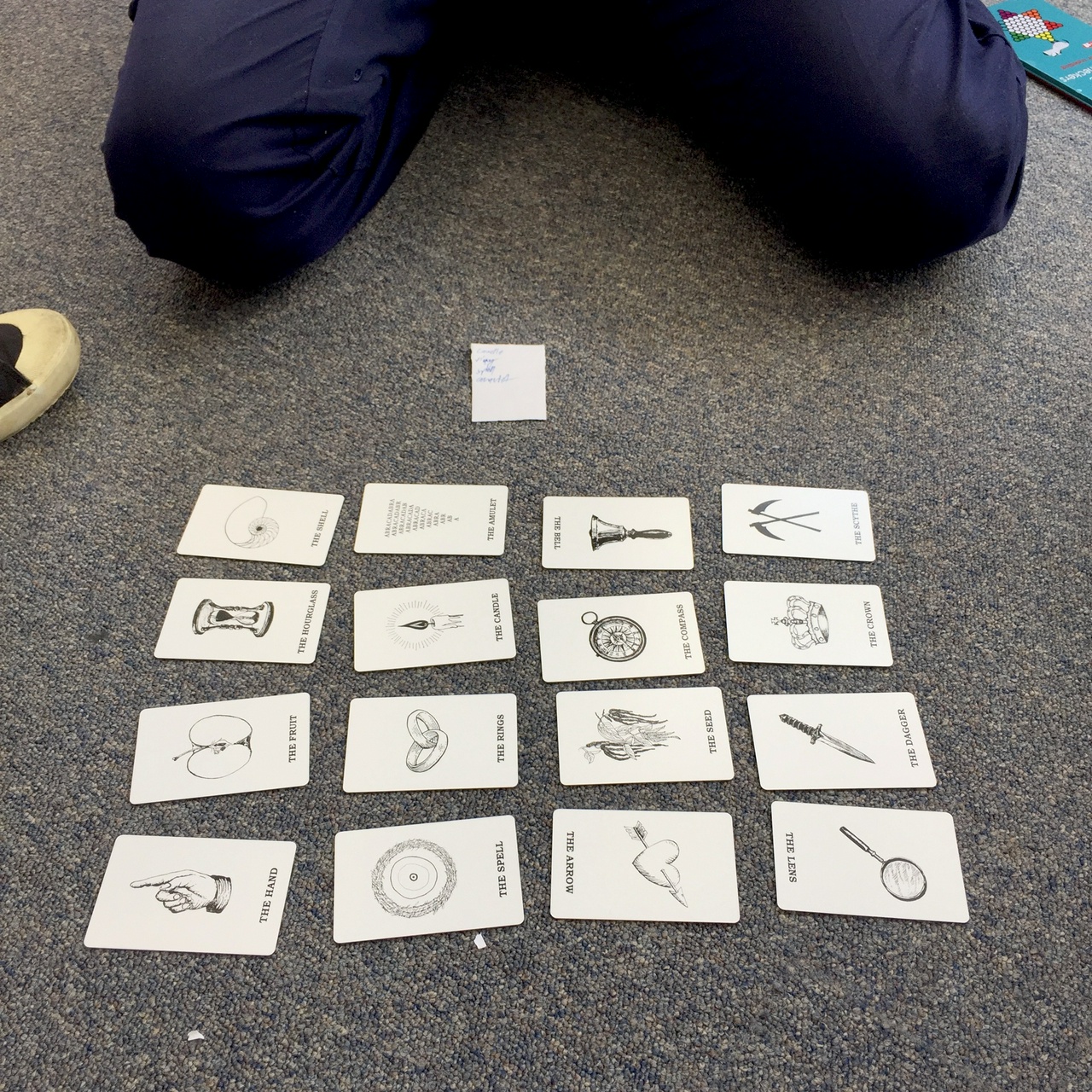
One team grabbed the Personal Oracle deck, a cool deck of loaded symbols primarily used for divination. Their game revolved around memory and card-swapping.

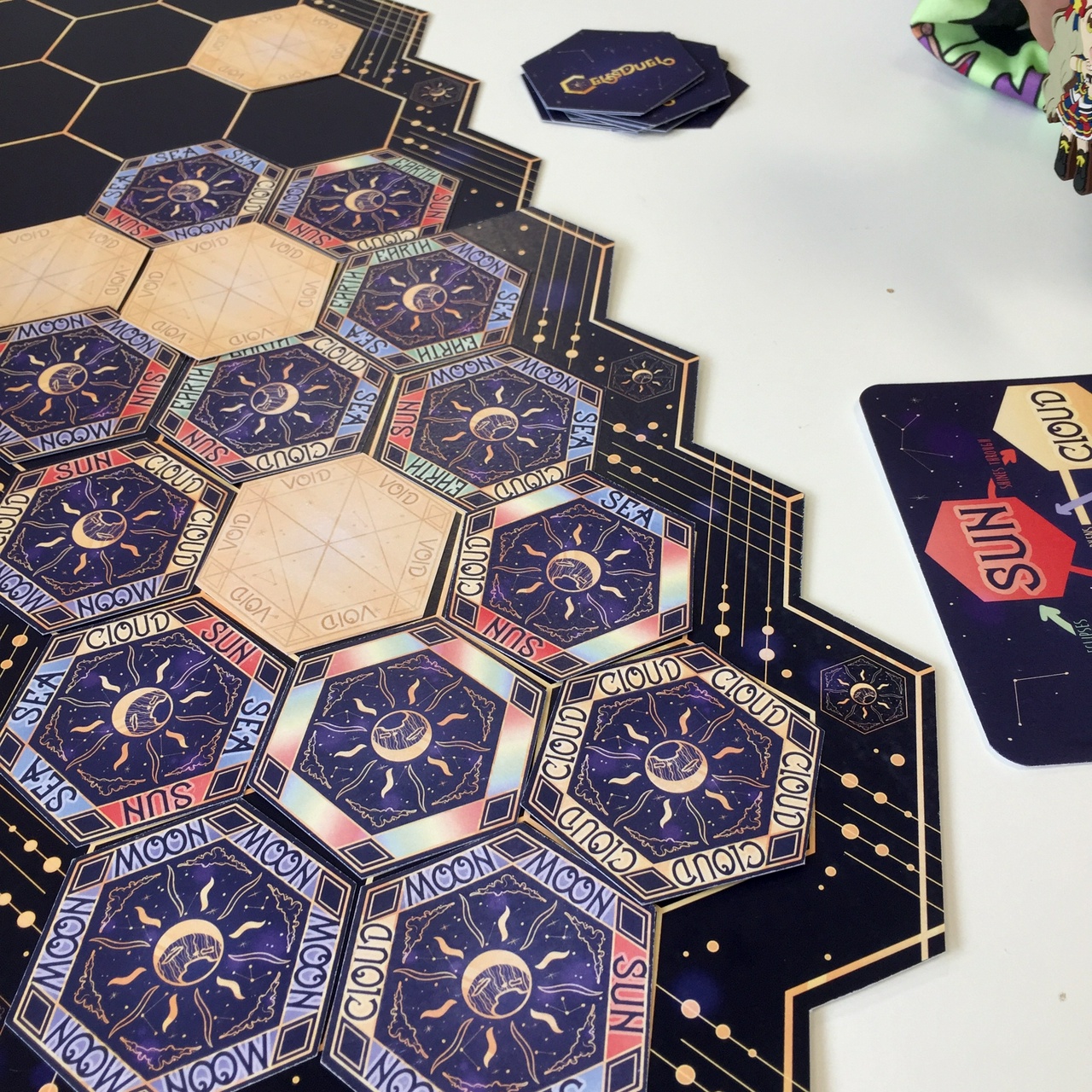
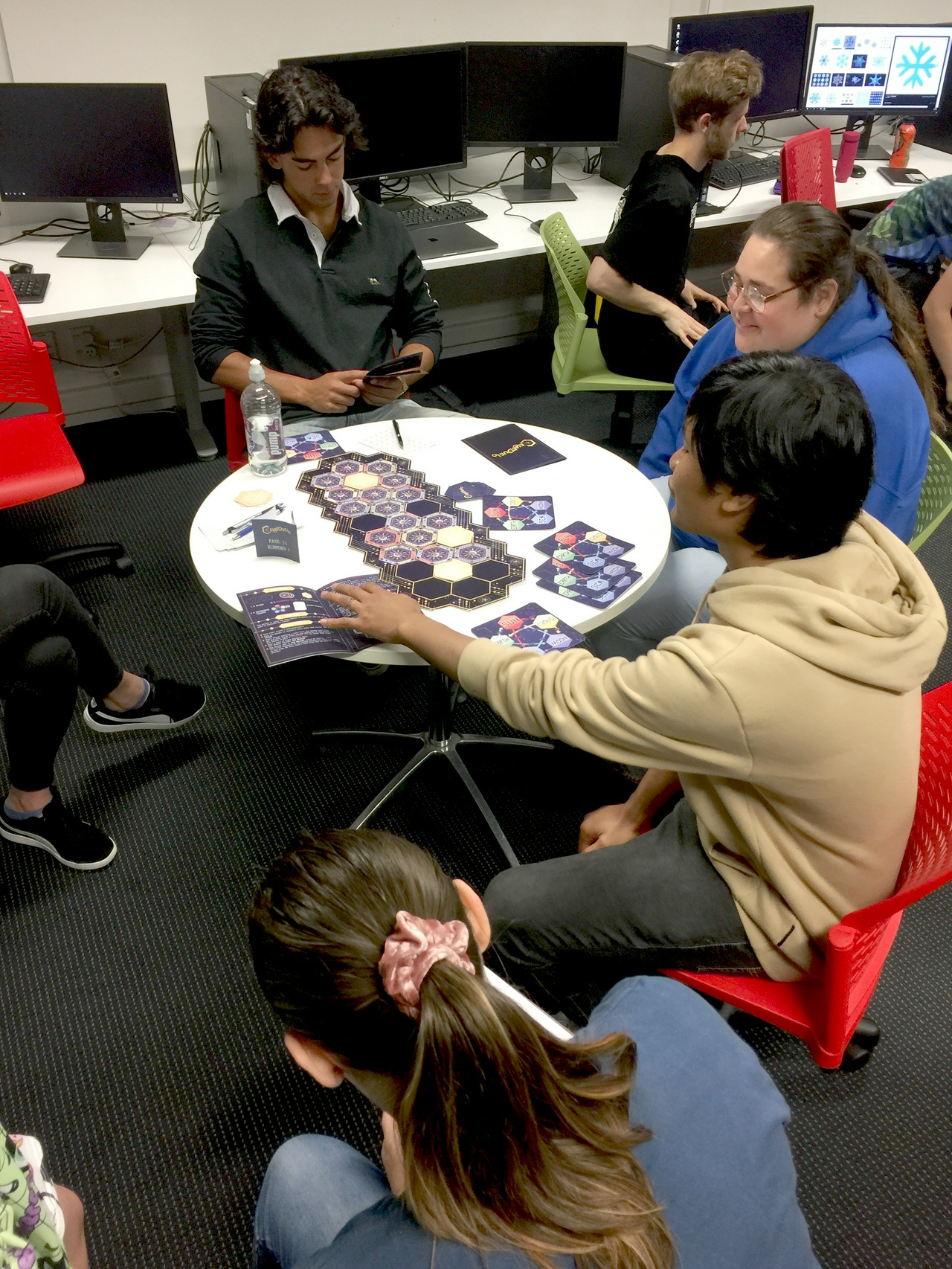
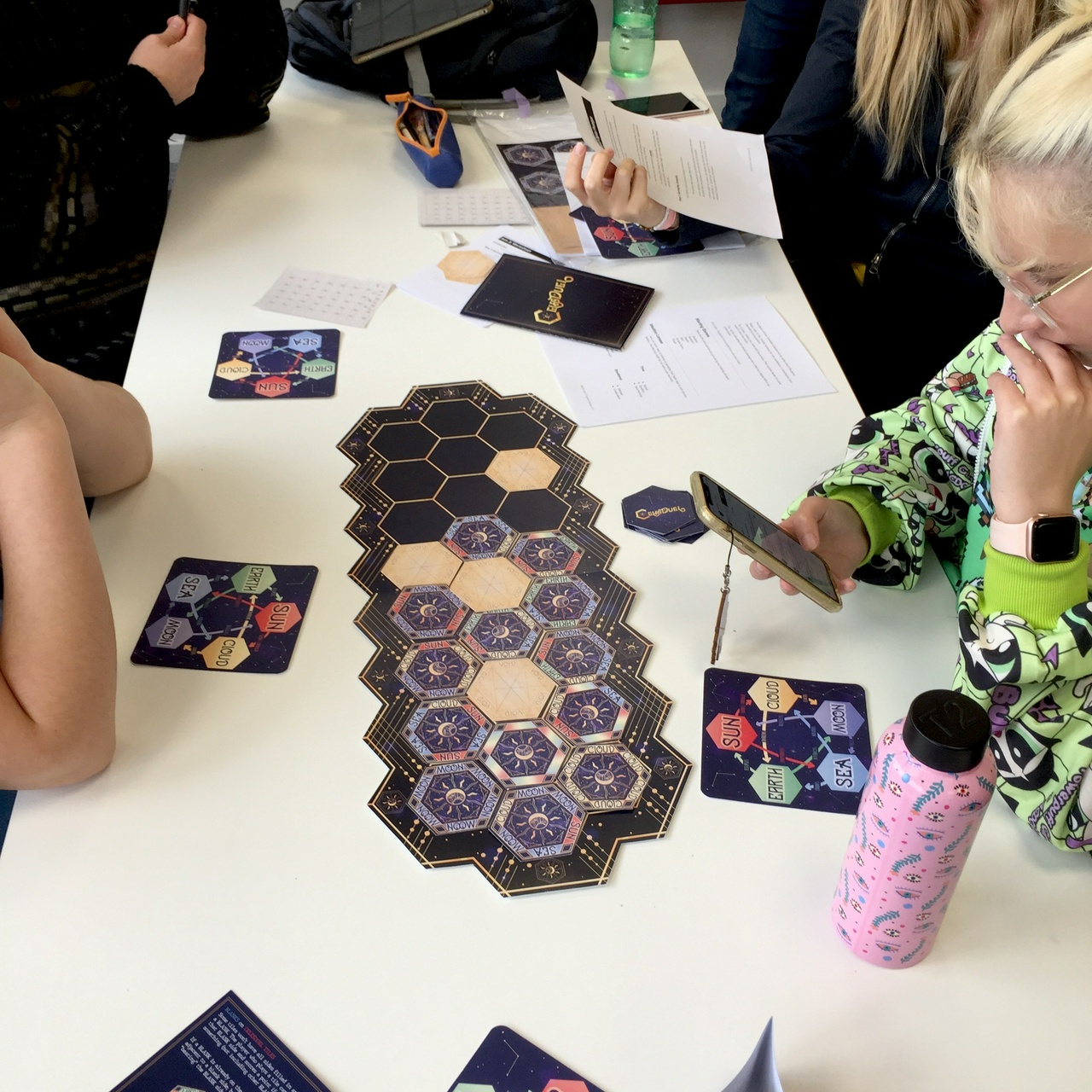
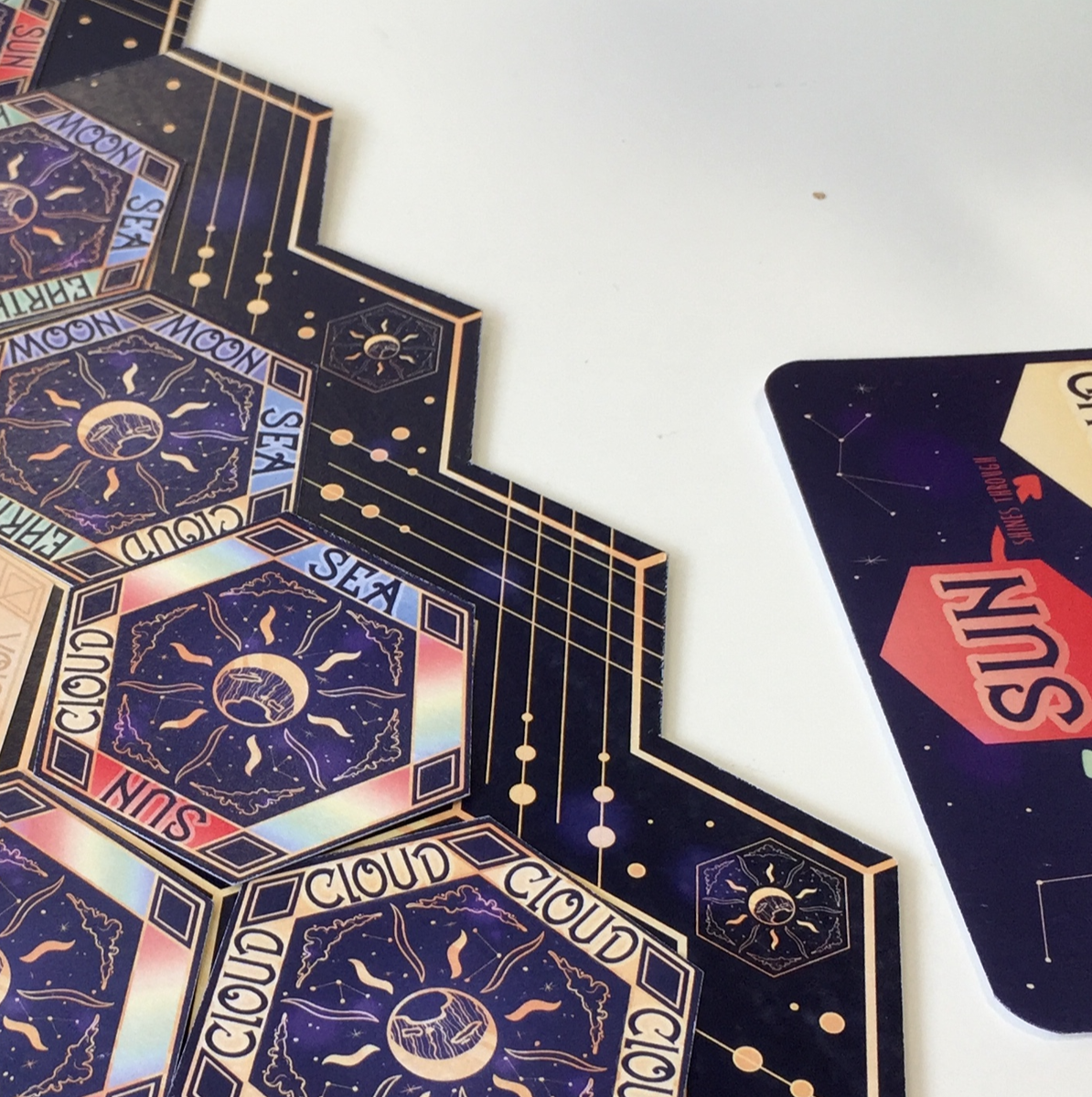
One team gravitated towards the hex tiles. After making a suggestion of corrolating the six sides with the three throw choices, they were off.

Here are some photos from the initial playtest of the game they developed:

Suddenly teaching board game design
#Instruction #Board Games

So I just wrapped up spring quarter at the Art Institute of Portland. A week before the quarter started, I was suddenly assigned to teach “Game Design and Play”, the board game design class. I had never taught the class before, and although there were some existing syllabuses, there really wasn't anything to go on. And not enough time to get anything going.

Now I'm not the most structured of teachers – I prefer leaving the class open to go where it needs to go, as the students explore the material. But this class was well beyond that. I was upfront with the students, and together we explored the material. It was fun.

Hopefully it was enlightening.

Part of my approach was to bring the idea of a game to all parts of the class. For their final, I challenged them to come up with a complete game in the two hours allotted. The main requirement was to have, as the central game mechanic, something involving the following (which I provided):

  • 3 standard four-sided dice; red, green, and blue
  • 1 blank white four-sided die

They were also allowed to use the small plastic case the dice came in.

Beyond that, the students could include anything they could come up with. I had some construction paper, colored and white cards, and the like.

Now, I hope the students were sufficiently challenged, and had fun with it. But the things that really struck me about their process were:

  • how much the students wanted to team up. There were two teams of five (five!) people, and some individuals. I couldn't tell if it was safety in numbers or a genuine desire for collaboration. It was just surprising. If that were me, if I were to team up, it would be with one other person. Maybe. Not that I dislike teams, but that in those initial brainstorming minutes, I would want direction and focus, not consensus.
  • how much video games influenced their designs. It's a video game world out there now, and the majority of the games they came up with were video games on paper. Again, I'm not making a judgement call here. But I do think that video games and board games are different, and each design process should be different.

I'll be teaching the class again in the fall, which I am looking forward to. I'll hopefully have time to develop more lectures about game theory, combinatorics, emergent behaviour, metaphors and mechanics.

And I'll have to come up with a new final exam challenge.